
During the business lifetime, the company generates profit and accumulated them in the retained earnings under equity section. At the end of accounting period, the income statement needs to be reset to zero. At the end of accounting period, the profit or loss from the income statement will move to the retained earning which is the equity component on the balance sheet.
- A retained earnings deficit occurs when a company’s retained earnings account has a debit balance, indicating that accumulated losses exceed accumulated profits.
- In other words, the temporary accounts are the accounts used for recording and storing a company’s revenues, expenses, gains, and losses for the current accounting year.
- You can pull this info from your company’s records or bank statements.
- Retained earnings refer to the historical profits earned by a company, minus any dividends it paid in the past.
- For example, borrowing $5,000 from the bank would involve debiting cash (the asset increases) and crediting accounts payable (the liability increases).
- Samsung Inc. earned a net profit of 500,000 during the accounting period Jan-Dec 20×1.
Example 1: Closing Revenue Accounts
- If a company’s retained earnings are less than zero, it is referred to as an accumulated deficit.
- If on the other hand, the company incurred more losses and expenses than its revenue and gains could cover, then, the company will have a negative net income.
- If a temporary account has a debit balance it is credited to bring it to zero, and the retained earnings account is credited to balance the closing entry.
- Usually, it is companies with positive earnings that have retained earnings.
- Retained earnings are the company’s net income after dividend payments.
- Net profit refers to the total revenue generated by a company minus all expenses, taxes, and other costs incurred during a given accounting period.
It is important to note that changes in retained earnings are included in the statement of changes in equity, which shows the movement of equity Budgeting for Nonprofits accounts over a period of time. Retained earnings are a crucial aspect of a corporation’s financial health. They are the sum of all profits retained by the company, rther than distributed as dividends to shareholders. Retained earnings are reported in the equity section of the balance sheet, and can be used to purchase assets, pay off debts, or invest in new projects. However, negative retained earnings, also known as an accumulated deficit, can be a cause for concern as they indicate that the company has incurred more losses than profits over time.
Retained earnings journal entry for prior period adjustment

Yes, retained earnings can turn negative if a company consistently loses money or pays out more in dividends than it earns. This is often pointed out as an accumulated deficit and can indicate financial trouble. By recording profits income statement in retained earnings, the company increases its assets and enhances its value without incurring debt. Whether positive or negative, retained earnings appear at the top of the liabilities side of the balance sheet, as part of the company’sshareholders’ equity.
Rules Of Debits And Credits For The Balance Sheet

Contra accounts reduce the value of a related account without altering the original retained earnings a debit or credit account directly. The business provides R500 worth of consulting services, and the client promises to pay later. Vaia is a globally recognized educational technology company, offering a holistic learning platform designed for students of all ages and educational levels.
Revenues
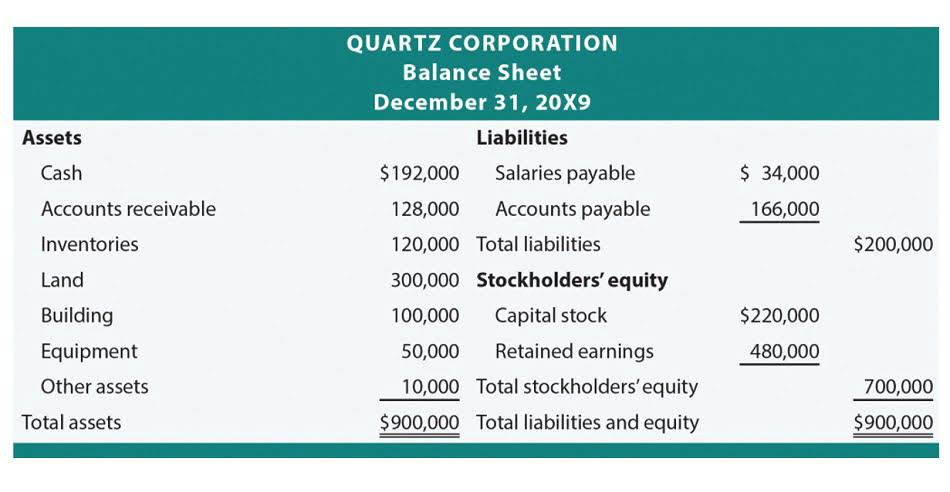
Net profit refers to the total revenue generated by a company minus all expenses, taxes, and other costs incurred during a given accounting period. Retained earnings show a credit balance and are recorded on the balance sheet of the company. Since retained earnings are a part of shareholders’ equity, it is an obligation of the company to pay it back to the owners. Thus, it is a liability of the company and it is credited as per the golden rules of accounting for personal accounts. The balance sheet accounts are referred to as permanent because their end-of-year balances will be carried forward to the next accounting year. Notice the balance in Income Summary matches the net income calculated on the Income Statement.